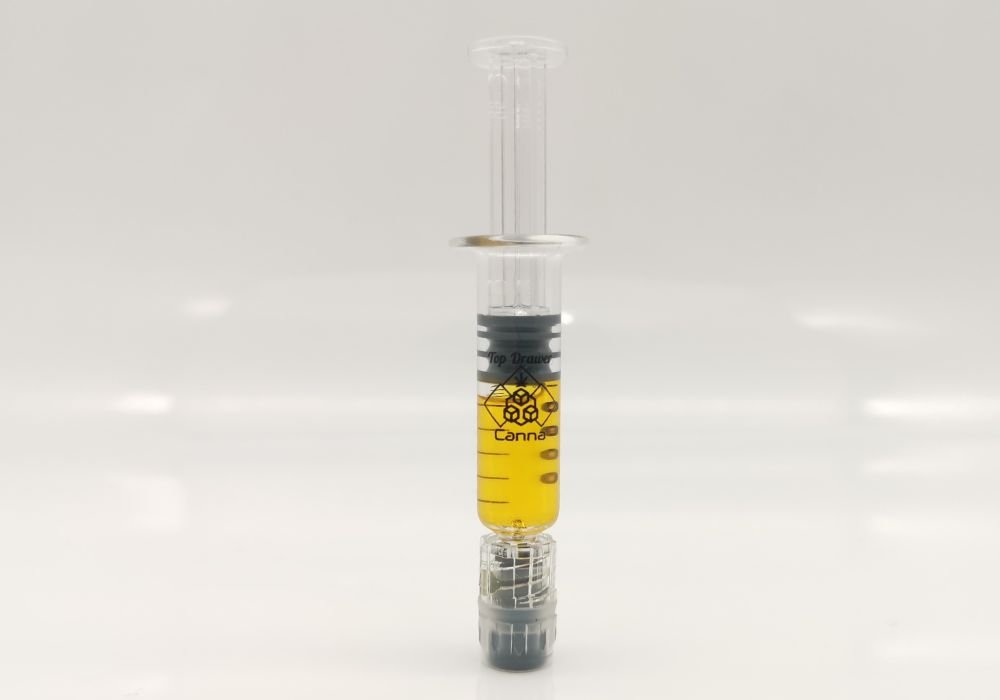
Choosing a syringe for cannabis extracts is not a minor packaging decision. It affects filling efficiency, dispensing consistency, user handling, perceived product quality, and regulatory fit. In a category where extracts are often viscous, high-value, and potency-sensitive, the syringe is not just a container. It is part of the overall product experience.
That is especially true in dabbing and distillate applications. These products are commonly sold, transferred, or used in very small amounts, which means the packaging must support accurate handling, consistent dispensing performance, and controlled delivery. For buyers, the right syringe is not simply the lowest-cost option. It is the format that best matches the extract, the intended use, the filling process, and the target market.
What Is a Dab Syringe?
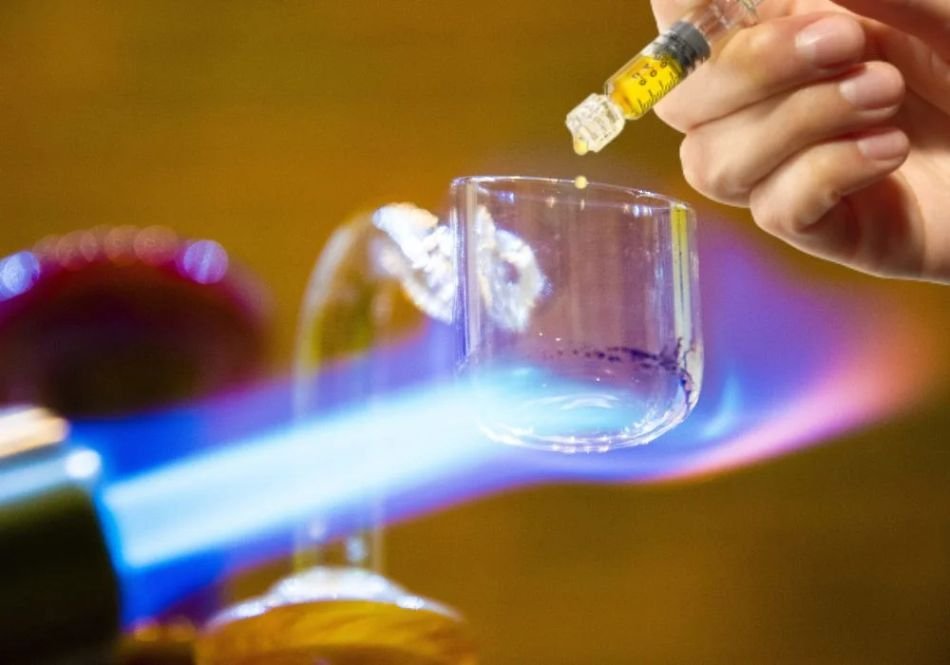
A dab syringe usually refers to a syringe-style dispenser designed to portion and transfer thick cannabis concentrates for dabbing. In practical terms, it allows users to dispense a controlled amount of concentrate for use with a dab rig, heated accessory, or similar application.
The term “dab syringe” is primarily defined by use case rather than by the exact extract inside. In other words, it describes how the syringe is intended to be used. This is why dab syringes are commonly associated with controlled dispensing, cleaner handling, and a more convenient way to manage sticky or highly concentrated extracts.
Public health sources define dabbing as inhaling concentrated cannabis extracts, and they note that the oils and concentrates used for vaping and dabbing often involve highly concentrated forms of THC. That is exactly why syringe selection matters so much in this category.
What Is a Distillate Syringe?
A distillate syringe refers to a syringe filled with distillate, typically a refined cannabis extract intended to be dispensed in controlled amounts. Unlike the term “dab syringe,” which emphasizes use, “distillate syringe” emphasizes the fill material.
Because distillates and similar concentrates can contain very high THC levels, syringe packaging is often used to improve handling, support dose control, and present the product in a more precise, premium-format delivery system. In commercial practice, distillate syringes are often selected when brands need a packaging format that supports measured dispensing and a more controlled user experience.
Dab Syringe vs. Distillate Syringe: How Are They Related?
The simplest way to explain the relationship is this:
A distillate syringe is named by what it contains, while a dab syringe is named by how it is used.
That is why the two terms often overlap in the market. Many syringes filled with distillate are also sold or used as dab syringes. At the same time, a syringe may contain distillate, full-spectrum oil, or another measurable concentrate and still function as a dab syringe. Conversely, a distillate syringe may be used not only for dabbing, but also for other controlled-dispensing applications depending on the formulation, packaging system, and market channel.
For buyers, this distinction is important because it prevents a common sourcing mistake: treating dab syringes and distillate syringes as completely different product categories. In reality, they are often overlapping formats. The better procurement approach is to evaluate the syringe based on extract properties and end-use requirements rather than on terminology alone.
Step 1: Choose the Right Syringe Material
Material selection is one of the first major decisions in cannabis extract packaging because it affects compatibility, visual presentation, dispensing feel, transportation risk, and brand positioning.
Plastic Syringes
Plastic syringes remain widely used because they are lightweight, cost-efficient, and practical for high-volume commercial programs. They reduce breakage risk during transportation and are often easier to source at competitive price points. For brands targeting more cost-sensitive product lines or large-scale distribution, plastic can be a practical packaging choice.
However, cannabis extracts create a more demanding packaging environment than standard liquid products. Thick, sticky concentrates require a package that dispenses consistently and supports a clean user experience. For extracts that require gentle heating to remain flowable, or for formulations where material compatibility may be a concern, plastic syringes may be less suitable unless compatibility testing has been completed.
In short, plastic syringes are often chosen for cost efficiency and practical distribution advantages, but they may not always deliver the same performance perception or premium presentation expected in higher-value extract categories.
Borosilicate Glass Syringes
For premium or high-viscosity extracts, borosilicate glass syringes are often the stronger choice. USP classifies borosilicate glass as Type I glass and notes its high hydrolytic resistance and high thermal shock resistance. These characteristics support its reputation as a high-grade packaging material and help explain why it is frequently associated with refined, high-value products.
In cannabis extract packaging, borosilicate glass syringes are often preferred when brands want a stronger premium image, a cleaner material profile, and a packaging format that aligns with precision dispensing. Compared with plastic syringes, they typically involve higher material and transportation costs. For that reason, they are more commonly selected for premium or high-value cannabis extracts.
From a buyer’s perspective, borosilicate glass is not just a material upgrade. It is often part of the product’s commercial positioning. It can support a higher-end appearance, reinforce product quality perception, and better match the expectations of brands selling refined concentrates.
Step 2: Choose the Right Syringe Volume
Volume is not just a size decision. It affects dosing, handling, compliance strategy, and how the product is positioned in the market.
Why 1 mL Syringes Are So Common
The 1ml syringe is widely used in dabbing and distillate products because it matches the economics and usage patterns of concentrated extracts. These products are potent, relatively high-value per unit volume, and often dispensed in very small amounts. A 1ml syringe, therefore, offers a practical balance between portability, controlled dosing, and retail convenience.
Regulation also helps explain this format preference. For example, Canadian regulations allow up to 1,000 mg THC per container for cannabis extracts, while edibles are capped at 10 mg THC per container. This distinction helps explain why small-format syringes remain such a common packaging standard for concentrated extract products.
For many brands, 1 mL also makes sense from a merchandising perspective. It is familiar, easy to handle, and well suited to products where consumers expect controlled, small-volume dispensing.
When Larger Volumes Make More Sense
Larger-volume syringes, such as 2 mL, 3 mL, or 5 mL glass syringes, can be a better fit when consumers require higher dosing, when operators need to dispense larger amounts per use, or when medical and refill-oriented workflows call for greater volume efficiency.
They can be appropriate for repeated multi-dose use, cartridge refill programs, back-of-house processing, or medical-style applications. However, larger-volume syringes also influence dosing logic, labeling, storage, and the design of secondary packaging. Increasing volume is not automatically better. It only makes sense when it supports the actual operational and commercial use case.
For procurement teams, the key question is not whether a larger syringe is available, but whether it improves how the product is filled, used, sold, and managed in the destination market.
Step 3: Choose the Right Luer Option
Luer style is often underestimated by new buyers, but it directly affects usability, attachment security, and system compatibility.
A Luer lock is typically preferred when connection security matters. If the syringe may be paired with dispensing tips, transfer accessories, or specialized attachments, Luer lock provides a more secure interface and reduces the chance of accidental detachment during use. This makes it a strong option for applications that require more controlled transfer or accessory integration.
A Luer slip, sometimes referred to commercially as a cone type, is simpler and faster. It is often the better option when the application is straightforward and the user does not need a locking mechanism. For some retail or direct-dispensing formats, that simplicity becomes an operational advantage.
In practical buying terms, the decision is straightforward:
- Choose Luer lock when the application requires secure attachment, accessory compatibility, or more controlled transfer.
- Choose Luer slip when the priority is simplicity, speed, and a more direct dispensing workflow.
The best option depends on how the syringe will actually be filled and used, not on which term sounds more advanced.
Step 4: Choose the Right Plunger Design
The plunger style of a cannabis extract syringe directly affects push force, perceived control, and the overall dispensing experience. This is especially important in high-viscosity applications, where the feel of the syringe can directly shape customer perception of product quality.
Plastic Plunger
Plastic plungers are common because they are economical and readily available. They can work well in standard syringe applications and in projects where cost control is a primary concern. For lower-viscosity or more manageable extracts, a plastic plunger may be fully adequate.
For buyers, plastic plungers are often the default option when the goal is to maintain a commercially efficient packaging structure without overengineering the product.
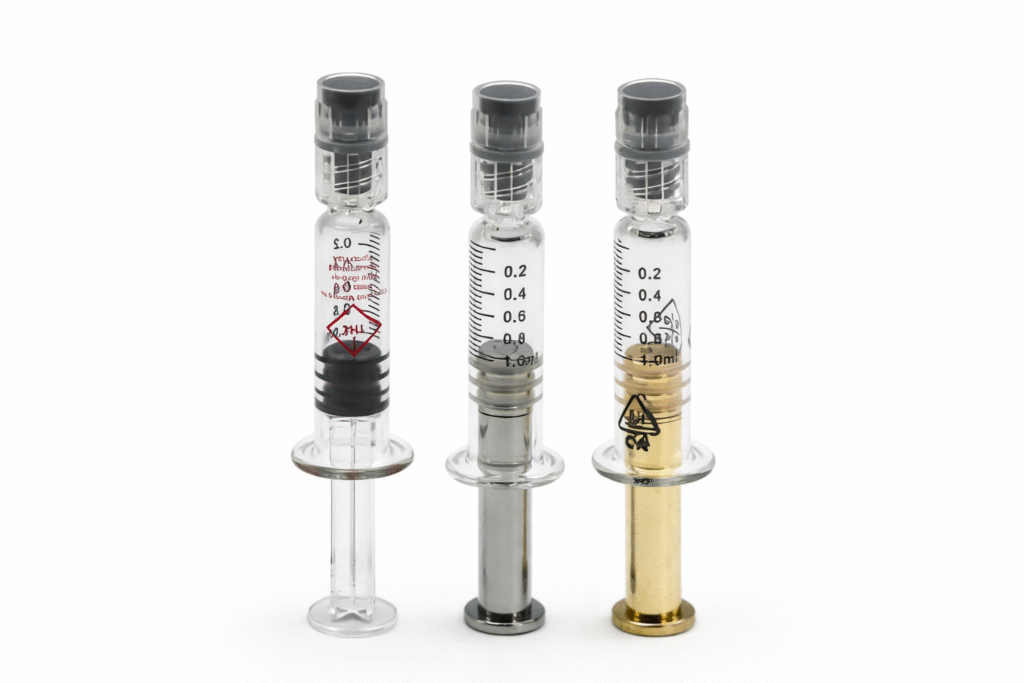
Metal Plunger
Metal plungers are often favored for thicker extract applications because they can support more direct force transmission and a firmer, more controlled dispensing feel. For dense concentrates, that added control can improve both the functional experience and the premium perception of the packaging.
In some syringe designs, metal plungers are also used in air-release or specialized filling systems. While metal plungers come with higher costs, they are often better suited to high-viscosity concentrates that require stronger, more stable push performance.
Plastic vs. Metal Plunger: Which One Performs Better?
The answer depends on the extract, the user experience target, and the product’s market positioning.
If the formula is easier to dispense and the project is cost-sensitive, a plastic plunger may be sufficient. If the extract is thicker, the push force is higher, or the brand wants the syringe to feel more precise and premium, a metal plunger can be the better choice.
In other words, this is not simply a material decision. It is a performance and positioning decision.
A Practical Buying Checklist for Dab and Distillate Syringes
Before approving a syringe specification, a buyer should be able to answer the following questions clearly.
Product
- What extract will be filled?
- Is it distillate, full-spectrum oil, or another concentrate?
- How viscous is it during actual filling and end use?
Use Case
- Will the syringe be used for dabbing, refilling, transfer, or another dispensing scenario?
- How much control does the user need per push?
Material
- Is the project better served by plastic for cost and practicality, or borosilicate glass for premium image and higher-grade material positioning?
Volume
- What volume best matches the use case and the target market?
Connection
- Does the application require Luer lock security or Luer slip simplicity?
Plunger
- Will a plastic plunger provide enough control, or does the viscosity justify a metal plunger system?
The best syringe is never selected as an isolated component. It should always be evaluated as part of a complete packaging and dispensing system.
Conclusion
The best syringe for dabbing and distillate is the one that matches the extract properties, filling process, end-user behavior, and market positioning.
That is the real expert standard.
For buyers in the cannabis extract market, the most effective approach is to move beyond terminology and evaluate the full syringe system: material, volume, Luer style, plunger design, and real-world application requirements. A well-matched syringe does more than hold the product. It improves usability, supports product presentation, and helps brands deliver a more reliable extract experience.
Noterd PFS provides professional syringe solutions for cannabis extracts, helping brands and buyers choose syringe packaging with greater confidence, better compatibility, and a more precise fit for real-world applications.