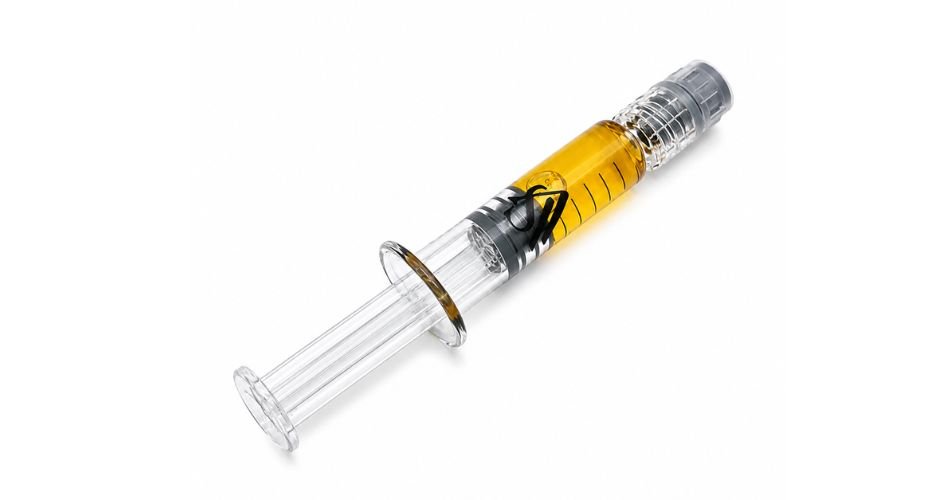
Cannabis oil syringes come in various designs tailored to different extract packaging needs. Cannabis brands commonly use these syringes for dosing and dispensing extracts like THC/CBD oil, distillate, live resin, and RSO (Rick Simpson Oil). Choosing the right cannabis oil syringe involves considering its material, tip style, and how viscous the oil is. This guide covers the main syringe types, including materials, tip and lock styles, and special features, with recommendations for different cannabis concentrates and extracts. It is designed for cannabis extract processors, brands, co-packers, and packaging distributors sourcing empty syringes for commercial filling, concentrate packaging, and wholesale applications.
Types of syringes for cannabis oil
Glass vs. Plastic Syringes
Glass syringes are typically made of borosilicate glass, a strong, heat-resistant material. For processors using warm filling with distillate or other viscous cannabis extracts, syringe material must withstand elevated temperatures. Heating the oil lowers its viscosity, allowing it to flow more easily and making the filling process faster and more consistent. Their chemical stability also helps prevent leaching or flavor changes, supporting oil purity, smooth plunger performance, precise dosing, and stable storage for high-quality cannabis and hemp products.
Plastic syringes (usually polypropylene or polyethylene) are a cheaper alternative. They are lightweight, shatterproof, and have a lower production cost. Many budget or single-use oil syringes are made of plastic, which can work well for less viscous oils. Plastic syringes are widely used for oils like RSO, partly because they are inexpensive and can be discarded after use. However, plastic can have drawbacks: some plastics may absorb terpenes over time and can deform when exposed to heat.
In summary:
- Glass Syringes: Non-reactive and heat-stable borosilicate glass. Ideal for preserving oil quality and precise dispensing. Heavier and more fragile than plastic, but chemically inert and well suited for premium extract packaging.
- Plastic Syringes: Lightweight, durable, and lower cost. Often used for disposable applications. Less heat-resistant and potentially less inert than glass, but more affordable and shatterproof.
Choosing between glass and plastic depends on product value and safety needs. Premium cannabis oils usually pair with glass syringes to convey purity, while plastic syringes are common for high-volume, budget, or single-use products.
Luer Lock vs. Slip Tip Syringes
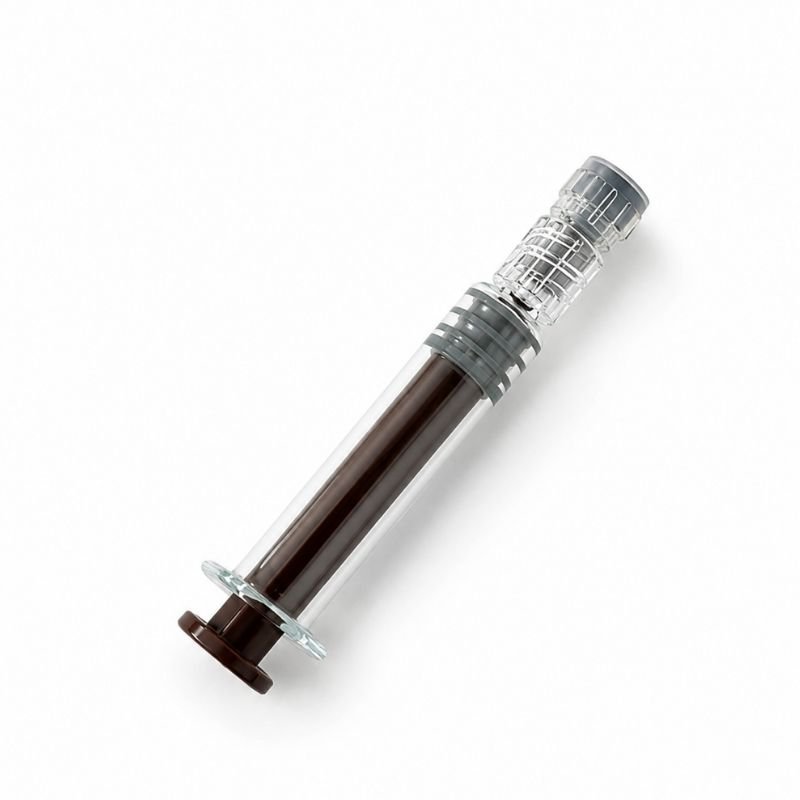
Syringe tips come in two standard styles: Luer lock and Luer slip. A Luer connection is a universal fitting system for syringe tips. In a Luer lock syringe, the syringe tip has a threaded collar that securely screws onto a matching needle or cap. This locking connection prevents leaks and accidental separation when dispensing oil.
By contrast, a slip tip syringe (sometimes called Luer slip) simply has a smooth, tapered tip that a needle or cap is pushed onto. Slip-tip syringes attach quickly but rely on friction alone to stay in place. Luer-lock fittings are more secure under pressure, while slip tips were faster to attach but risked detachment.
In cannabis oil packaging, Luer lock syringes are very common because they form a tight seal for viscous concentrates. For example, glass dab syringes almost always come with Luer locks to prevent oil from seeping out. For commercial distillate packaging and cartridge-filling applications, Luer lock fittings can provide a more secure connection with compatible blunt dispensing tips and filling accessories.
Slip Tip Syringes: Push-on, taper fitting. Quick and easy to use, but less secure. Common for situations where an oil syringe can be used directly, such as a CBD oil syringe.
Luer Lock Syringes: Screw-on tip (threads) makes a leak-free seal. Ideal for high-pressure work. Most glass cannabis oil syringes use Luer-lock tips.
Silicone oil or silicone-free syringes
Glass oil syringes often include a small amount of silicone oil as a Lubricant to handle sticky extracts. A small amount of medical-grade silicone oil may be applied to the inner barrel to reduce friction. This makes it easier to slide the plunger when dispensing thick oils. But silicone can potentially interact with very terpene-rich extracts.
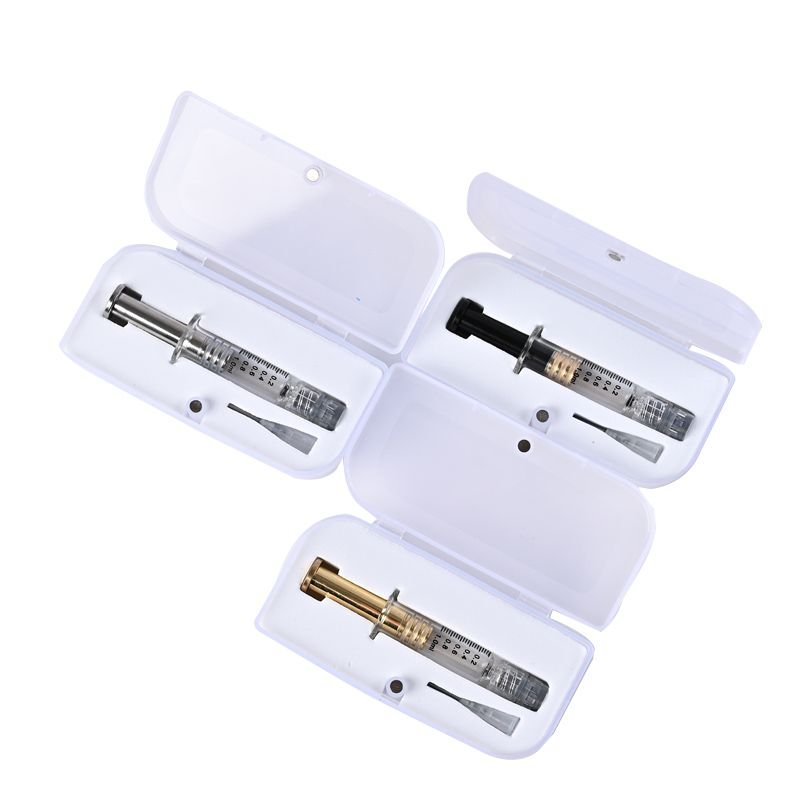
Standard plastic-plunger configurations typically rely on silicone lubrication to reduce friction and maintain smooth plunger movement. Therefore, silicone-free syringes are often offered with stainless steel (metal) plungers. Metal-plunger configurations ( often called air release syringes) can support silicone-free designs, reducing potential contact between the packaged extract and silicone lubricant.
Graduations & Measurement
Syringes typically have volume markings for dosing. For example, many cannabis oil syringes are 1 mL with 0.1 mL major tick marks. High-precision syringes can even mark down to 0.025 mL increments. (Some brands calibrate 1 mL to 1 gram for oils, but always check your oil’s density.) These fine graduations help processors, brands, and packaging teams control fill volume and provide clear product measurements. For very dark extracts (like RSO/FECO), white or high-contrast markings can make it easier to see the level.
Some cannabis brands choose syringes without printed graduations when dosing information is provided through the outer packaging or when a cleaner, customized appearance is preferred.
Use Cases by Oil Type
Different cannabis extracts call for different syringe setups. In general, syringes work best for oils that are liquid or malleable and not for hard, solid concentrates. Key use cases include:
- Distillate and Other Viscous Extracts: Cannabis distillate can become highly viscous at room temperature and is often warmed during commercial filling to improve flow. Borosilicate glass syringes with secure Luer connections are commonly selected for controlled dispensing and packaging of these extracts.
- RSO / FECO: RSO (Rick Simpson Oil) and FECO are extremely viscous, almost tar-like. Typically, these are 1 mL borosilicate glass syringes with either a metal plunger or a plastic plunger. The syringe and plunger system should accommodate the higher dispensing force associated with highly viscous extracts. High-contrast or white graduations can improve fill-level visibility when packaging dark extracts such as RSO or FECO.
For commercial packaging, syringe selection should be based on extract viscosity, filling temperature, target fill volume, plunger design, closure system, and compatibility with the packaged formulation.
Choosing the Right Cannabis Oil Syringe
Here are key factors to consider when selecting a syringe for cannabis oil:
- Material: For premium products, glass syringes preserve flavor and purity. For cost-sensitive or high-throughput needs, plastic syringes may suffice.
- Tip Style: Use Luer-lock fittings if you need a secure, leak-free seal (especially when working with viscous extracts or compatible filling accessories). Slip-tip (push-fit) syringes are simpler to use.
- Viscosity: Glass syringes with metal plungers provide more force for thicker oils. Silicone-lubricated syringes with regular plastic plungers work fine for thinner oils.
- Graduations: Select a syringe volume and graduation scale that match the target fill volume and measurement requirements. Fine graduations can support more precise filling and product measurement.
To support consistent filling, dispensing performance, and packaging quality, it is important to match the syringe material, tip configuration, plunger design, and graduations to the characteristics of the extract. Commercial buyers should test samples with their actual formulation and filling process before placing a production order.
View our wholesale dab and distillate syringes for available configurations. Or, send us your oil type, viscosity, target volume, filling method, and estimated order quantity to receive a syringe recommendation and wholesale quotation.